TeknoFuel Home

Category

Fleet Strategy

14 articles

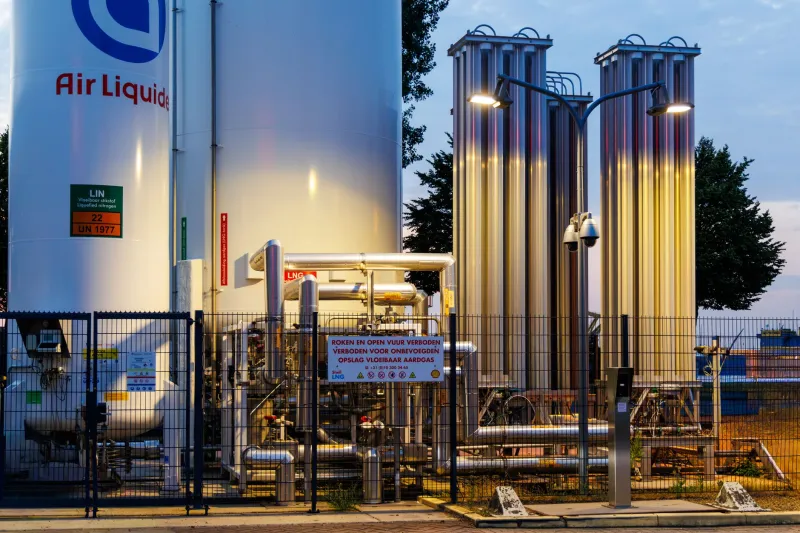
Before the First Purge: A Nitrogen Readiness Plan for UK Hydrogen Sites

Before the First Purge: A Nitrogen Readiness Plan for UK Hydrogen Sites

UK hydrogen projects routinely budget for stacks, compressors and grid capacity, then meet nitrogen late in commissioning. This pre-commissioning plan sets out where nitrogen is consumed, how demand peaks, and how bulk liquid, cylinder packs and on-site generation compare for British sites.

The Custody Kilogram: Metering Assurance for UK Hydrogen Fuel Contracts

As UK hydrogen fleets move from trials into contracted supply in 2026, the kilogram becomes a commercial unit, not merely an engineering output. This guide examines the metering and calibration questions that depot teams should settle in supply agreements before throughput scales.

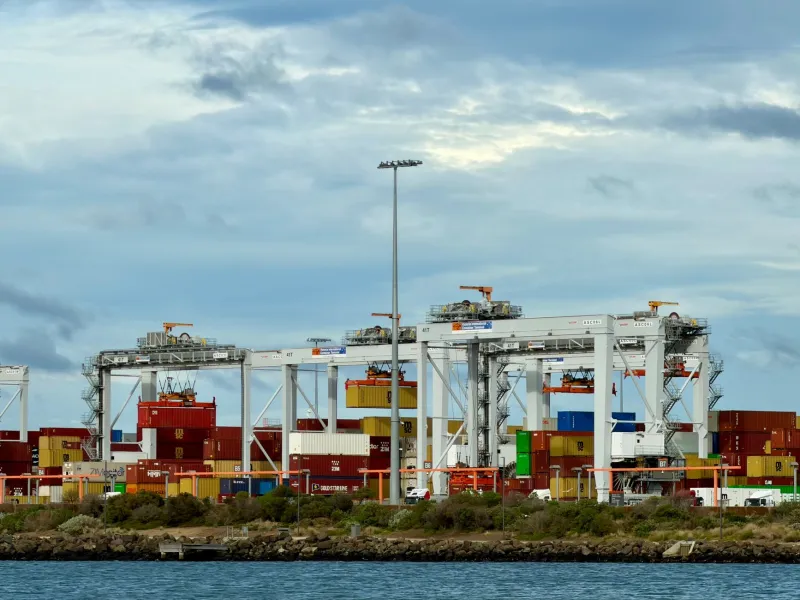
Beyond the IP Rating: Corrosion Planning for UK Port Power Infrastructure

Beyond the IP Rating: Corrosion Planning for UK Port Power Infrastructure

A charger cabinet bound for a Midlands depot and one bound for a quayside berth can carry an identical datasheet, yet only one is likely to reach a decade of service without intervention. This analysis sets out how UK port operators should translate salt-laden air, tidal spray and persistent humidity into specification choices, inspection regimes and realistic warranty terms before the order is placed.

Past the Warranty Line: The Second-Life Ledger for UK Electric Truck Packs

Past the Warranty Line: The Second-Life Ledger for UK Electric Truck Packs

The first large electric truck traction packs are approaching the end of their warranty cover, and many UK depots have no line in the fleet model for what happens next. The real bill is not replacement alone: it is the contractual, safety, insurance and residual-value cost of the handover.

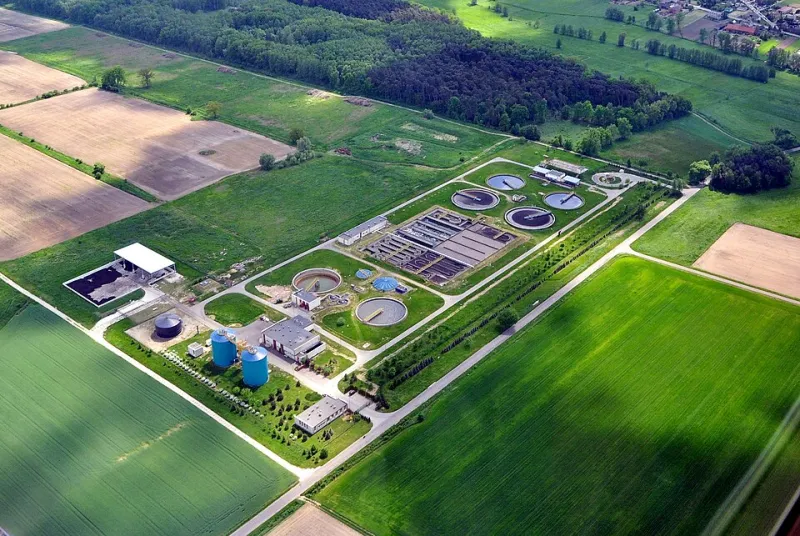
The Intake Before the Stack: Water Risk in UK Green Hydrogen Siting

The Intake Before the Stack: Water Risk in UK Green Hydrogen Siting

UK green hydrogen projects are usually assessed on grid connections, offtake and subsidy, while the feedwater chain remains a footnote. For fleet depots and industrial sites in 2026, water quality, abstraction licensing and discharge consent can shape siting, operating cost and local acceptance. This analysis sets out the questions operators should answer before an electrolyser is ordered.

The Fixed-Route Advantage: Electrifying UK Yard Moves Before the Open Road

The Fixed-Route Advantage: Electrifying UK Yard Moves Before the Open Road

Yard tractors offer predictable duty cycles and return-to-base charging, making them a practical proving ground for UK depot electrification before road-going fleets. This assessment sets out charger sizing, grid constraints, maintenance and training checks for operators weighing the first step.

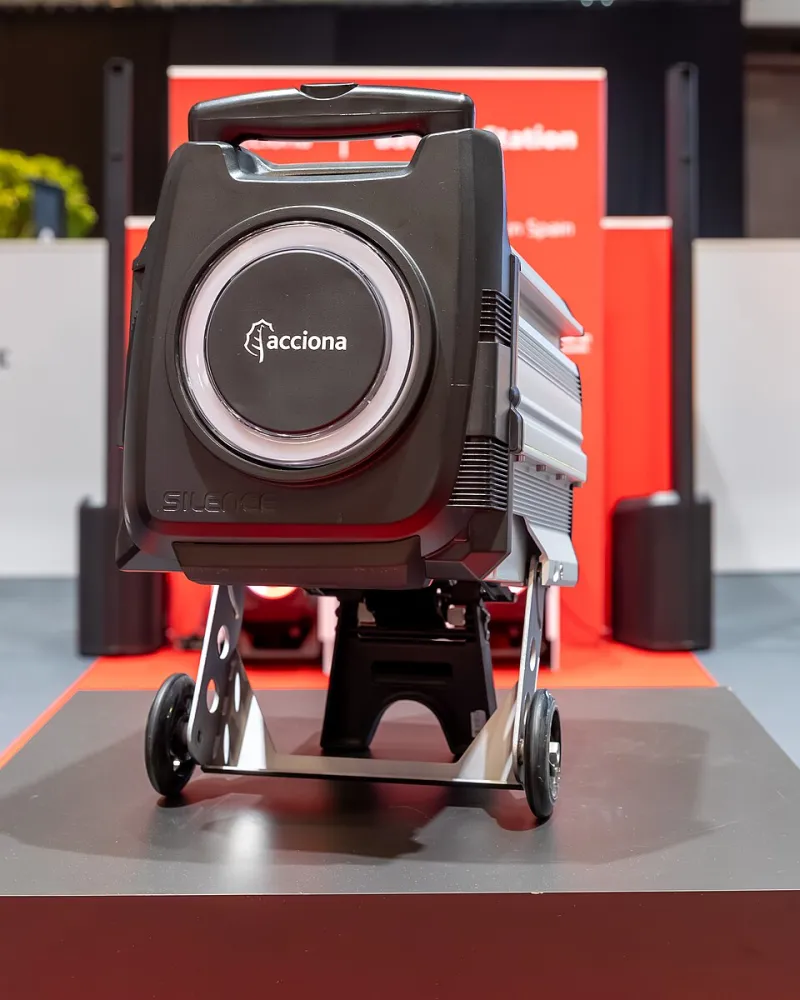
When the Substation Slips: A Site Manager’s Guide to Methanol Fuel-Cell Cabinets

When the Substation Slips: A Site Manager’s Guide to Methanol Fuel-Cell Cabinets

Grid connections for UK construction sites continue to slip, leaving diesel generators to fill the gap. This article sets out a practical procurement test for methanol fuel-cell cabinets against HVO gensets and battery hybrids, covering fuel handling, HSE duties, refuelling, emissions evidence and whole-life cost.

Before the First Ammonia Bunker: The Evidence Pack a UK Port Must Hold

Before the First Ammonia Bunker: The Evidence Pack a UK Port Must Hold

Ammonia's commercial case for marine bunkering is edging towards settled; the port safety case is nowhere near it. This is the evidence a UK harbour authority, terminal operator and shipper should demand — toxicity modelling, response capability, competence records, equipment verification and fuel-quality proof — before a 2026 pilot is allowed to become routine.

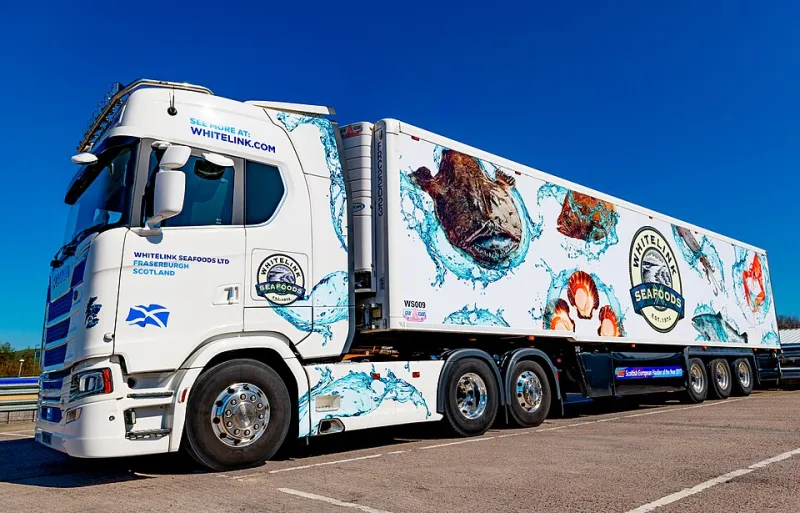
Cold Chain, Warm Grid: Trialling Electric Refrigerated Trailers Without Tripping the Depot

Cold Chain, Warm Grid: Trialling Electric Refrigerated Trailers Without Tripping the Depot

The transport refrigeration unit is often the last diesel engine in a food logistics operation that nobody has put on a transition plan. Electrifying it is technically achievable today, but the constraint is rarely the trailer — it is the site power, the charging window and the cold-chain fallback. Here is how to scope a trial that survives a British summer and a December failure.

Proving the Pack: The 2027 Battery Provenance Test Facing UK Depots

Proving the Pack: The 2027 Battery Provenance Test Facing UK Depots

The EU's digital battery passport is moving from policy design to procurement reality, and UK fleet operators will feel it through vehicle supply, leasing terms and residual values. This analysis sets out the data depots should start capturing now, the commercial risks of treating provenance as an afterthought, and where certified battery history can become a resale asset.

Power Before the Connection: Five Grid-Queue Workarounds for UK Fleet Depots

Power Before the Connection: Five Grid-Queue Workarounds for UK Fleet Depots

Grid connection delays remain a practical barrier to depot electrification in 2026, but not every workaround is worth the money. This guide separates five credible approaches from expensive dead ends and sets out the questions transport managers should put to their DNO and energy supplier now.

Three Ways Out of Diesel: The Depot-Level Case for HVO, Batteries and Hydrogen

Three Ways Out of Diesel: The Depot-Level Case for HVO, Batteries and Hydrogen

The argument over whether hydrotreated vegetable oil, battery-electric or hydrogen should replace diesel has become a proxy for something else. The more useful exercise is narrower: mapping each option onto a specific duty cycle, depot and contract. This is how the arithmetic actually works out for UK operators in 2026.